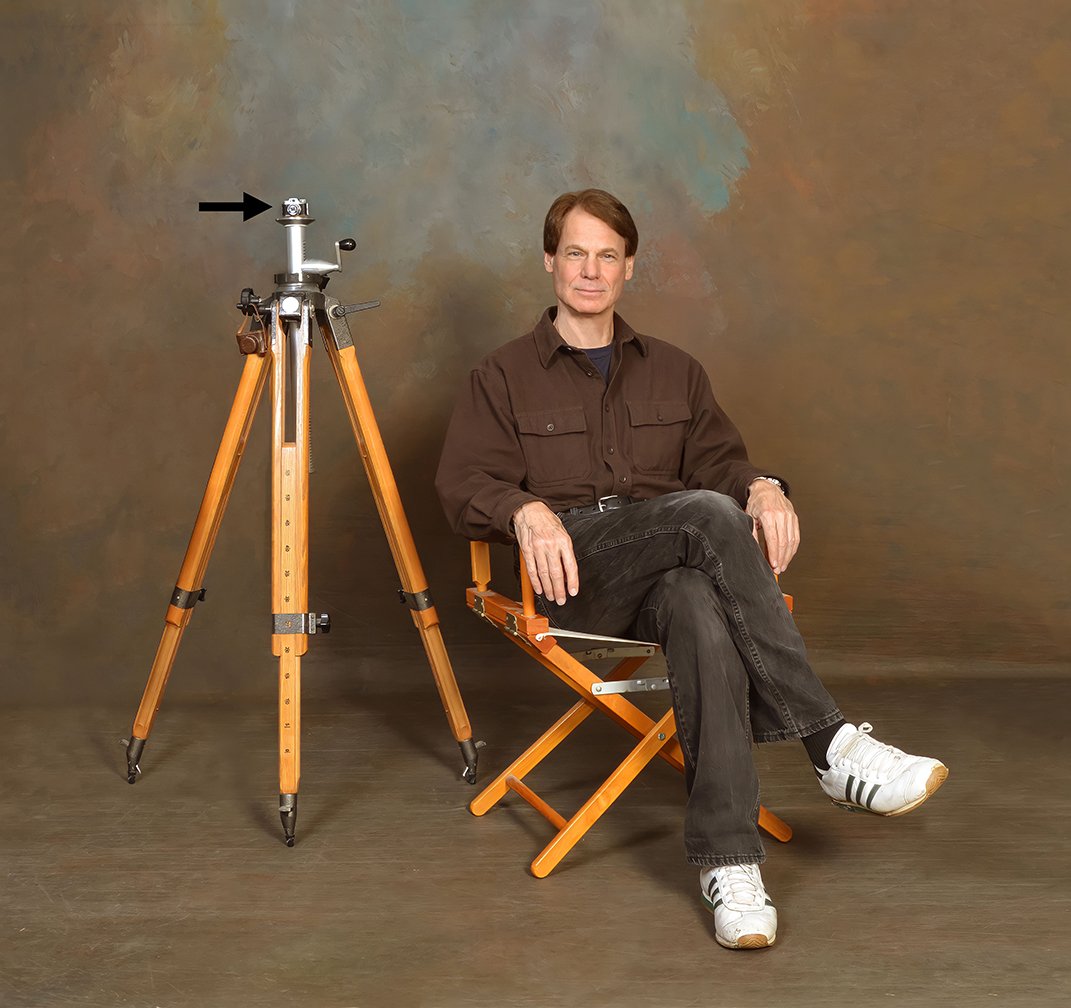
Tosti: The Early Work and Career of Artist
Mark Tosti
Mark Tosti is a lifelong artist and former arts lawyer, best known for his extensive Circle Picture Project.
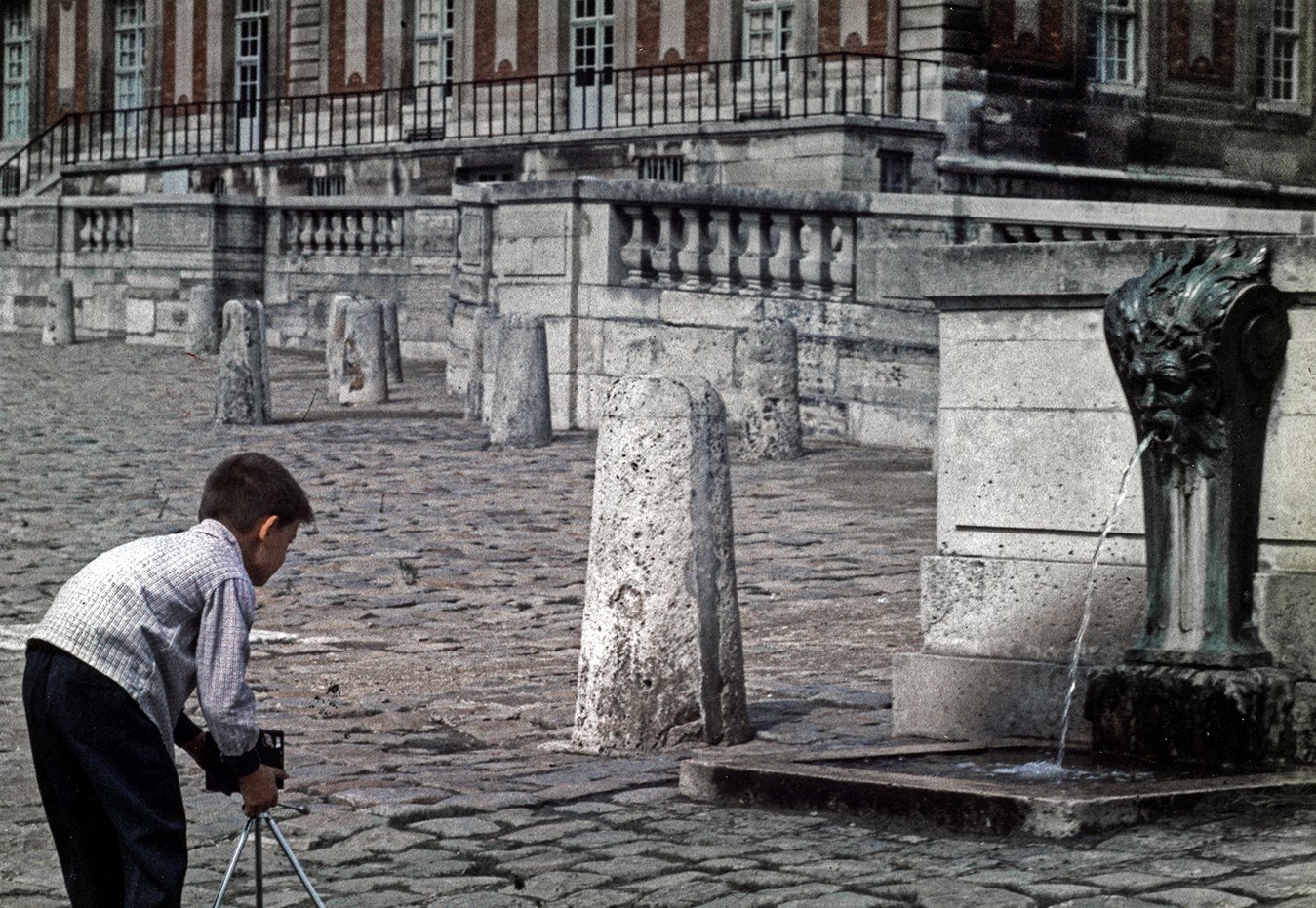
Mark at Fountainebleau
Tosti, age 6, on a photoshoot at Fountainebleau, France, circa 1957. Photo by Marian E. Tosti
When Tosti was a young boy, he photographed, with his mother, the city of Paris, where his family was residing before moving to the Washington, DC suburb of Falls Church, Virginia. Throughout his early school years, Tosti studied at Hill’s Art School in Arlington, under noted children’s art teacher, John Bryans. Bryans introduced Tosti to a variety of media including pen and ink, block printing, oil painting, watercolor and life drawing.
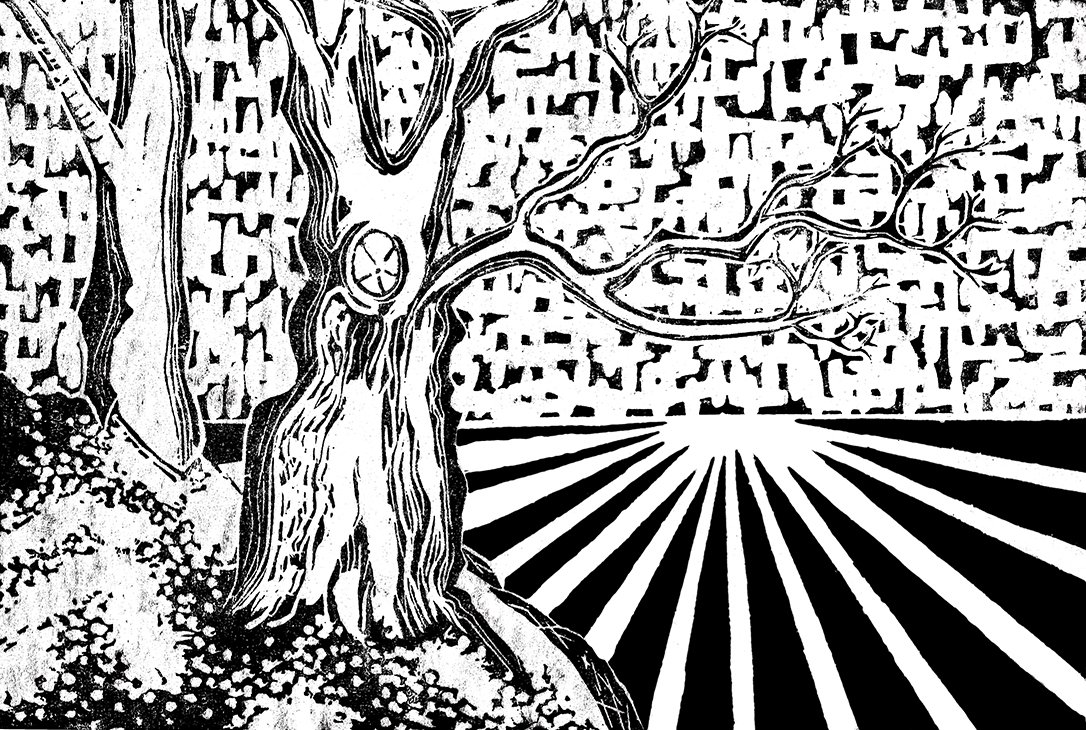
The Field Beyond
Block Print, Arlington, Virginia, circa 1965 (age 14)
Tosti’s interests in art grew, so that by the time he enrolled at Princeton University in the fall of 1969, he was actively considering an art career. At Princeton, Tosti studied under noted Spanish Artist, Esteban Vicente.
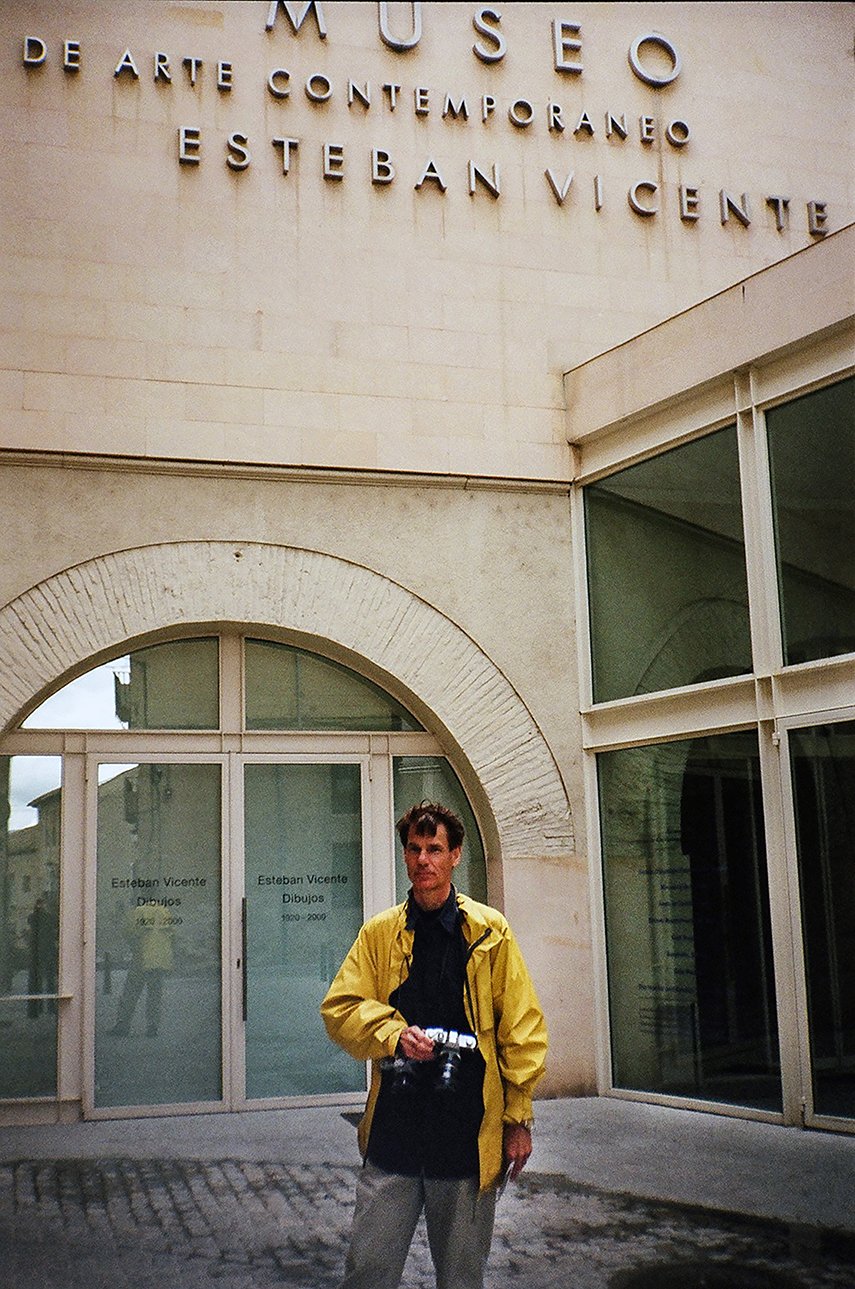
Mark at the Vicente Museum
Tosti on a pilgrimmage to the Museo De Arte Contemporaneo Esteban Vicente, Segovia, Spain, 2010
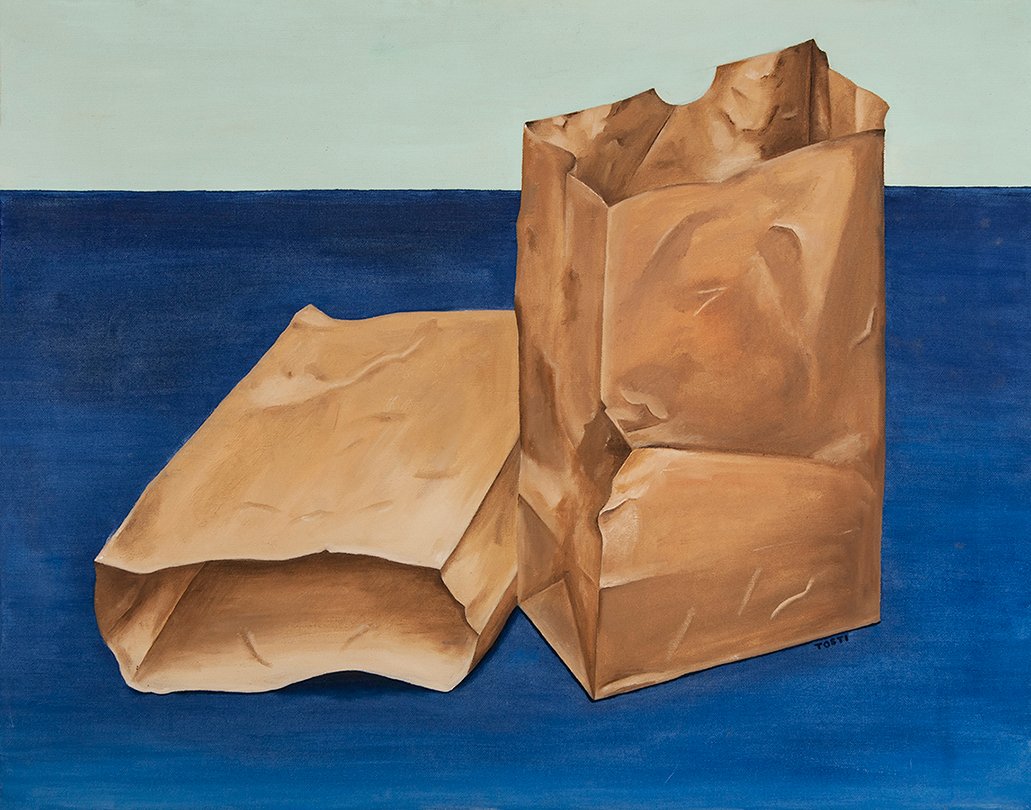
Two Bags
Oil on canvas, Princeton, New Jersey, 1970 (age 19)
In 1971, Tosti participated in Manhattanville College’s summer arts program on the island of Mallorca, Spain, where he studied with noted professor and printmaker, John Ross.
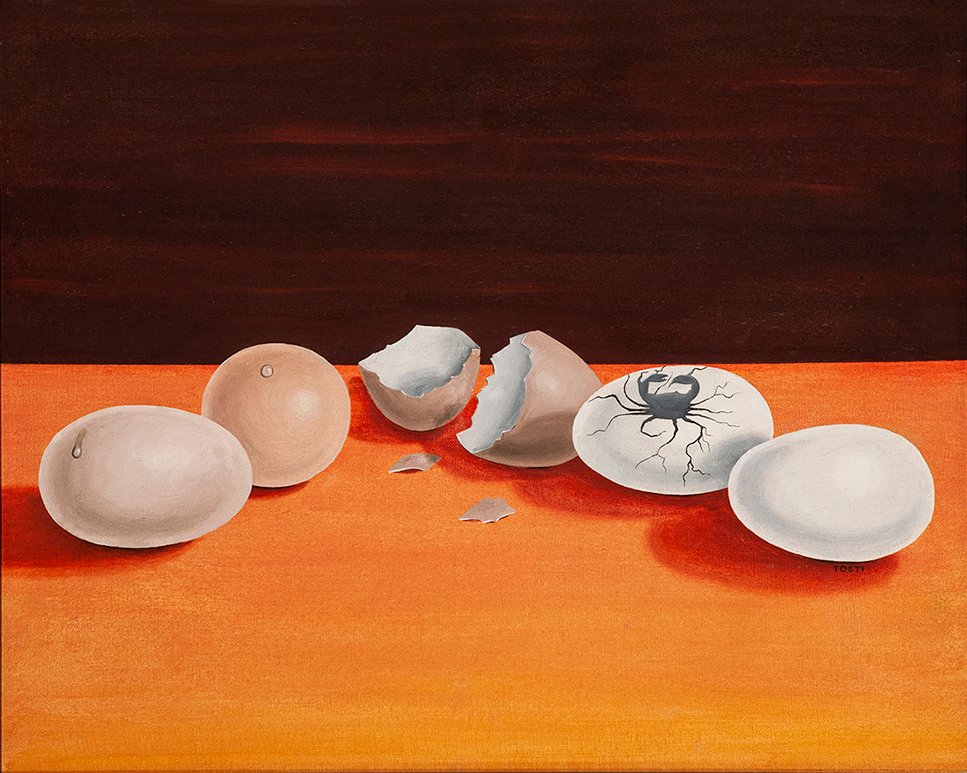
Five Eggs
Oil on canvas, Mallorca, Spain, 1971 (age 20)
Back at Princeton, Tosti created a range of exploratory and experimental works. In his series, Perceptuals, each work illustrated a specific aspect of human visual processing.
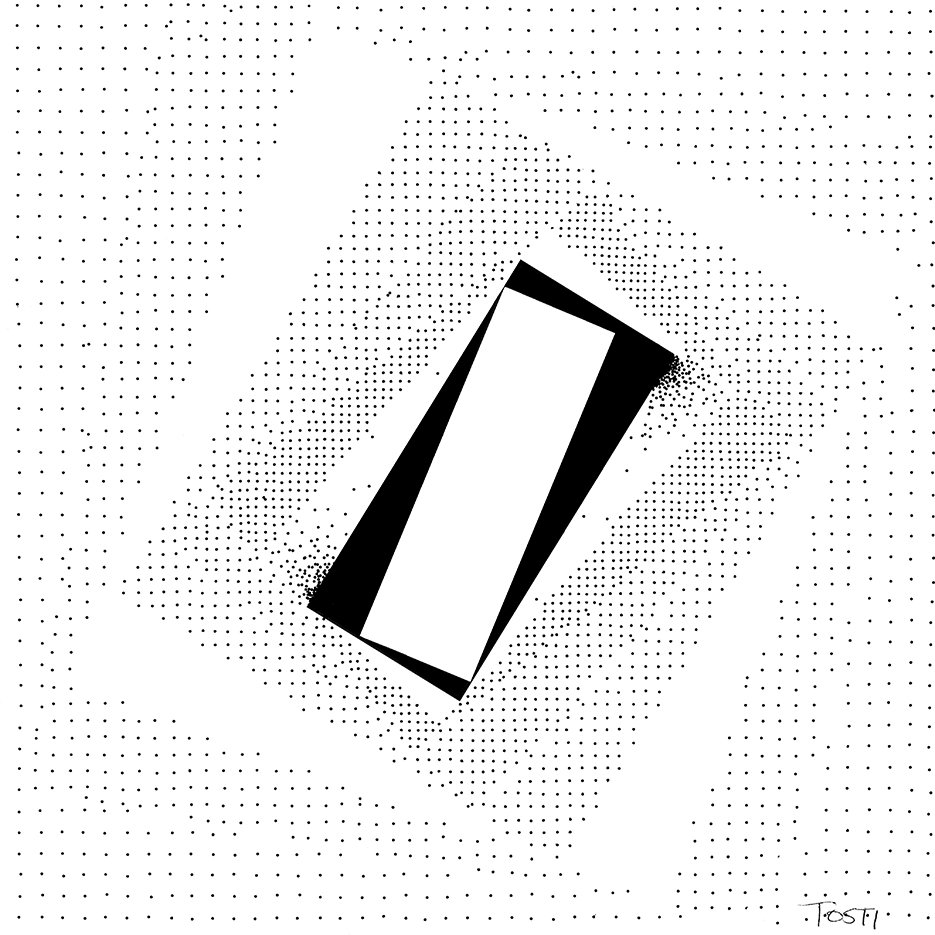
Similarity Grouping
Perception of discrete rectangles through dot spacing, Princeton, New Jersey, 1971 (age 20)
In 1971, Tosti declared psychology as a major and immediately focused on the psychology and perception of art. (Tosti’s 1973 undergraduate thesis, Sight and Cinema, was a comparison between the perception of art and the direct perception of the real world).
In 1972, he began his Creature Series.
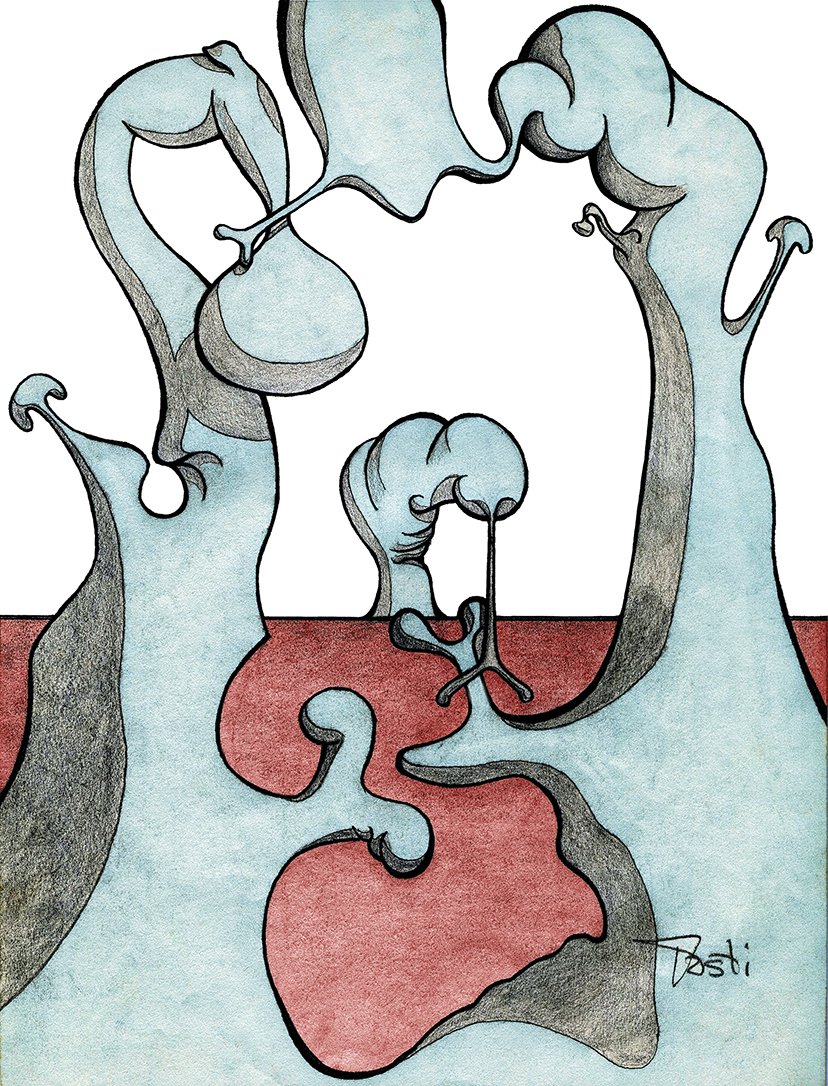
The Interloper (Red and Blue Version)
Colorized print of a pencil drawing, Falls Church, Virginia, 1974
Moving effortlessly among genres, Tosti won an open contest to create the cartoonish class of 1973 logo.
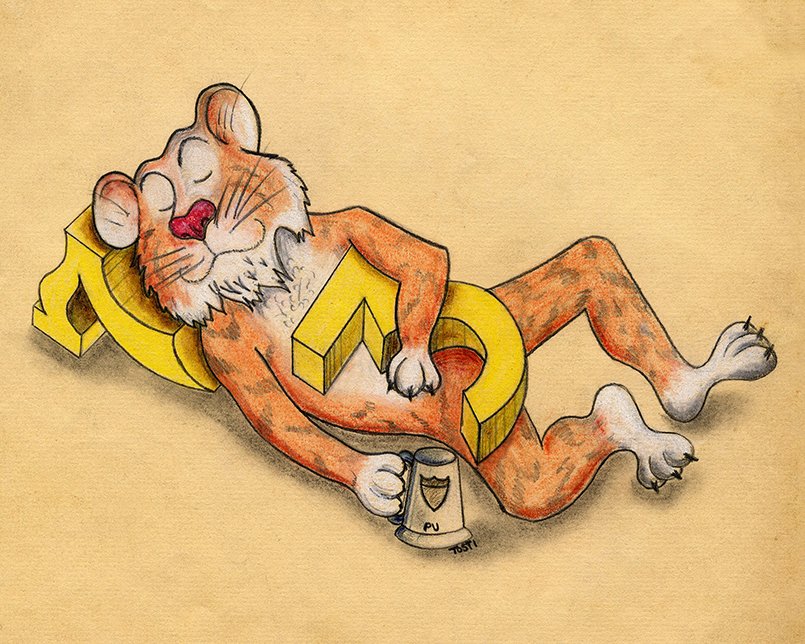
The 1973 Tiger
Pastel and pencil, Princeton, New Jersey, 1972
During this time, Tosti also produced a series of surrealist-tinged drawings of imaginary landscapes.
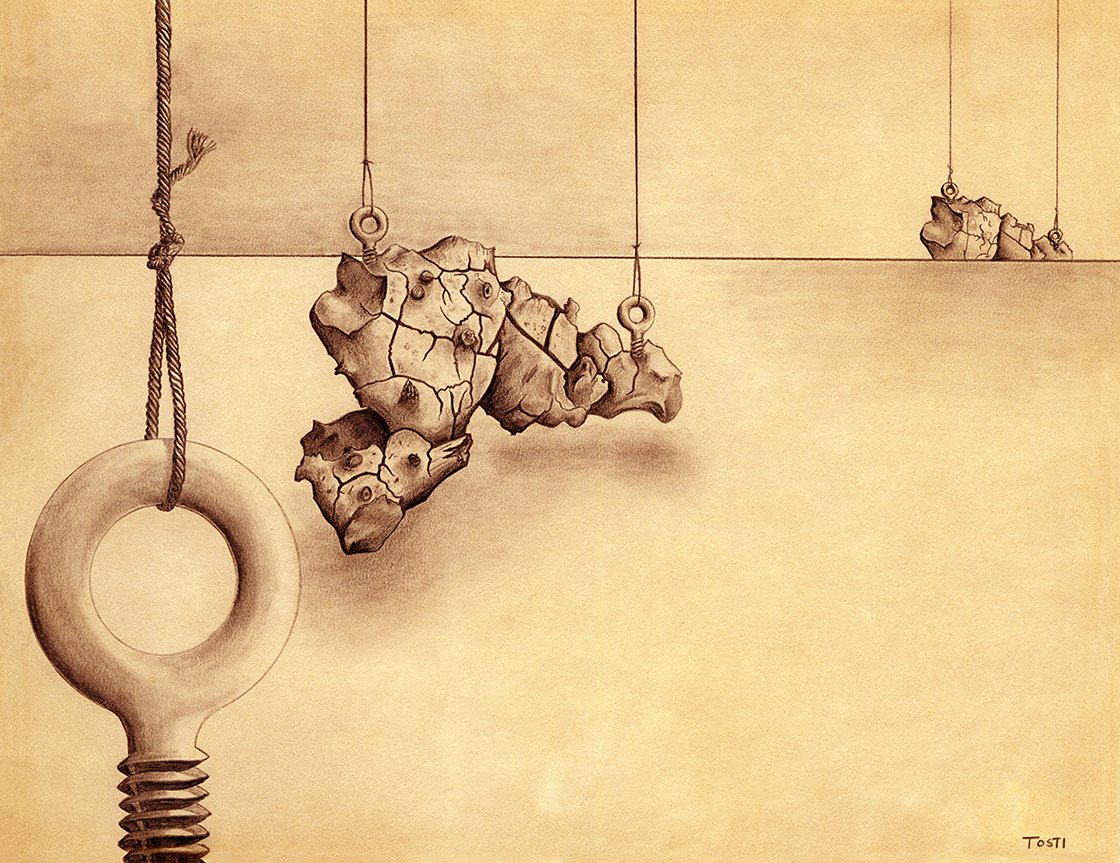
Fractured Cargo (Tinted Version)
Pencil on paper, Princeton, New Jersey 1973
In early 1973, Tosti turned his focus to photography and learning darkroom technique.
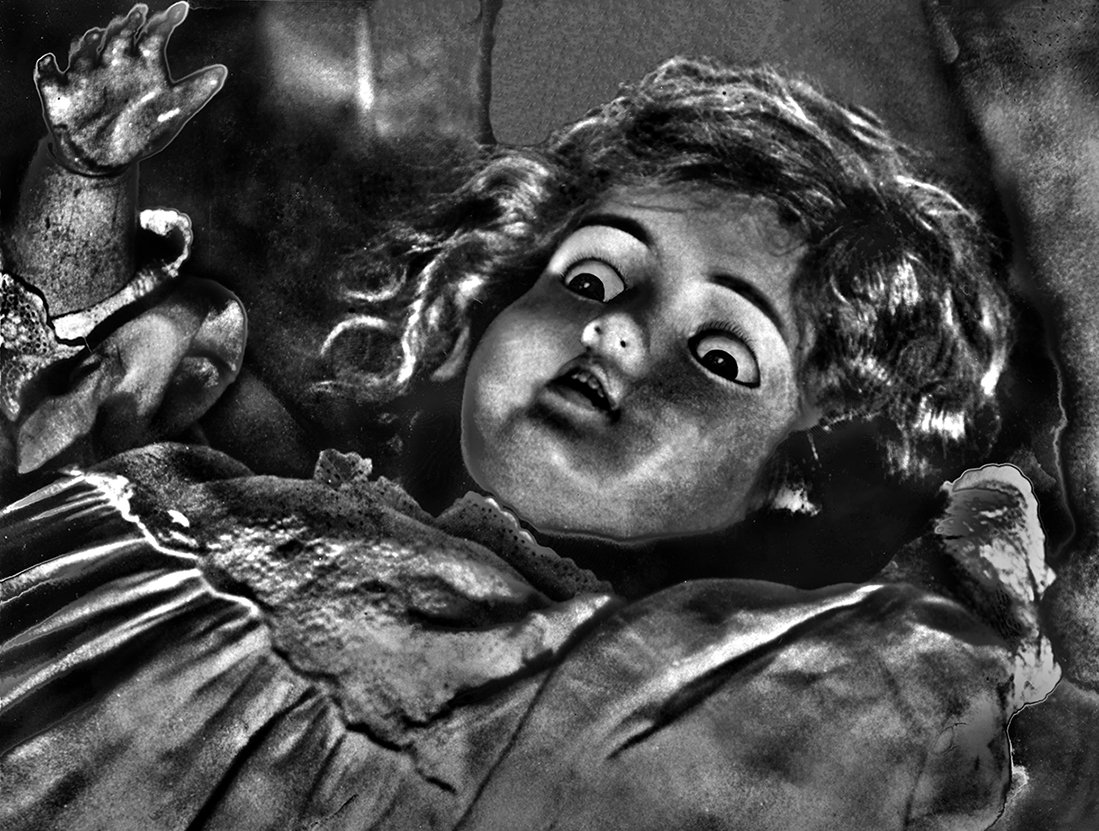
Frightened Doll #2
Black and white print from a pushed internegative, Princeton, New Jersey, 1973
By the time of his graduation from Princeton in 1973, Tosti had become a student of both art and film and procured a job as an assistant film editor to Bob Velasco, then Washington D.C.’s top music editor.
Meanwhile, Tosti continued drawing.
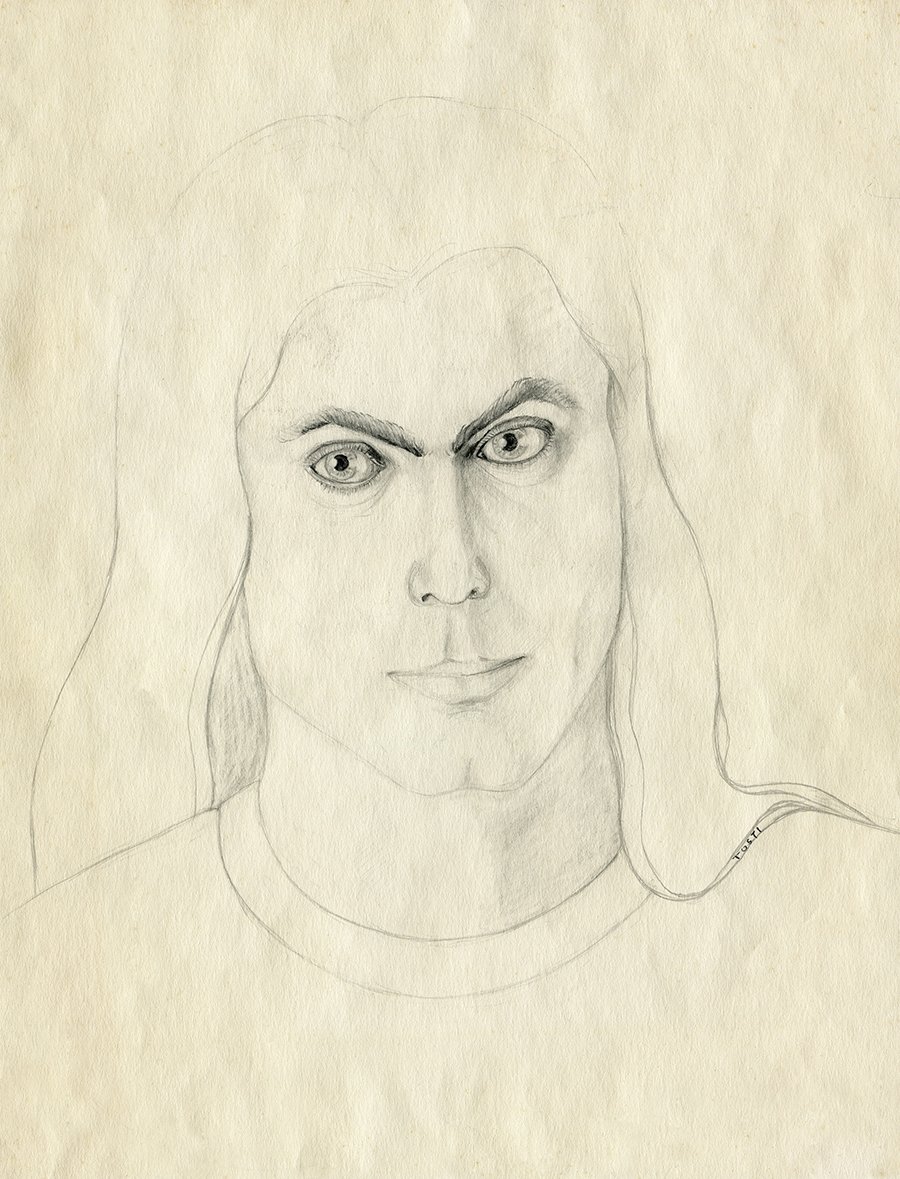
Young Man
Pencil on paper (self portrait), Falls Church, Virginia, 1973 (age 22)
In 1974 and 1975, Tosti took documentary footage of several cultural anthropology trips organized by professor Tom Larson.
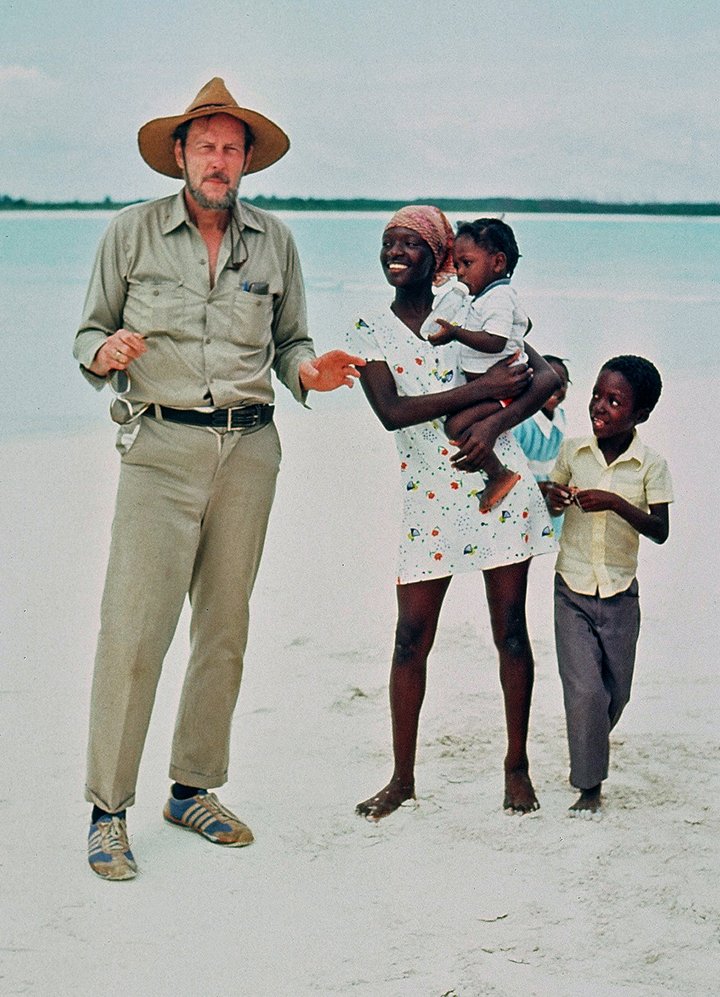
Professor Larson Entertains
Lamu, Kenya, 1975
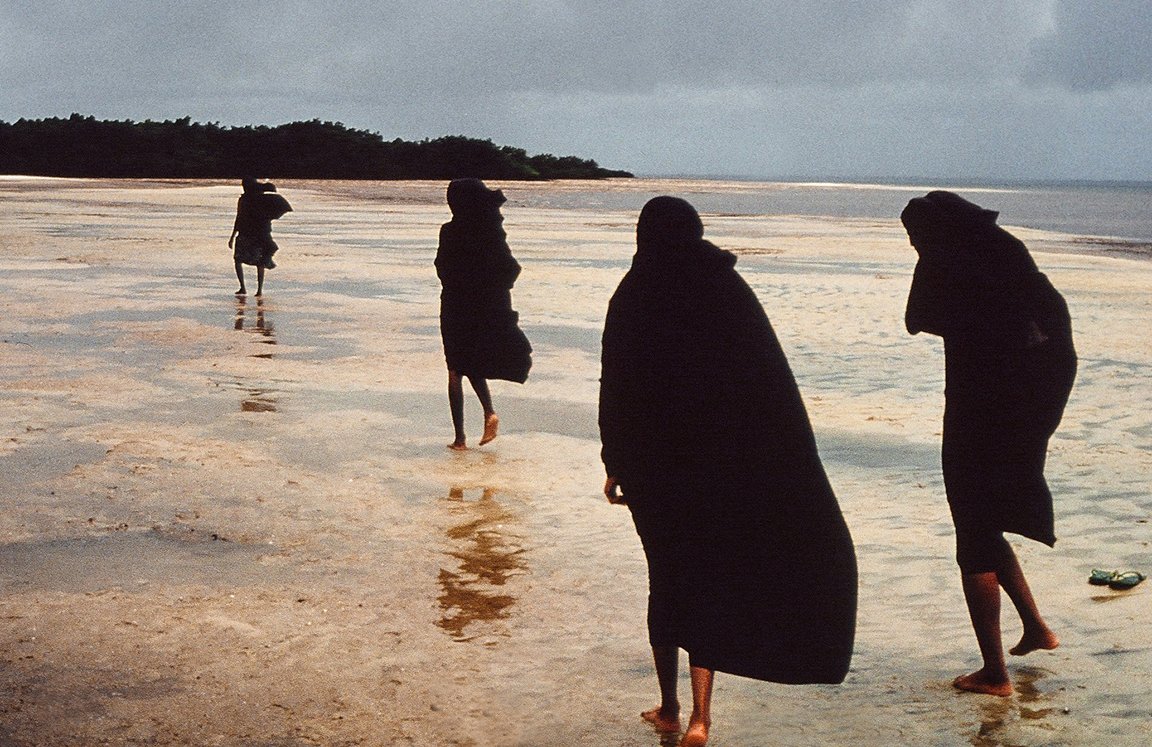
Women at the Beach
Lamu, Kenya, 1975
In 1975, Tosti committed to a three year effort to immerse himself in the Los Angeles filmmaking culture. He enrolled in a master’s program in filmmaking at Columbia College, where he took night courses and worked in the industry by day. His first job upon arrival, was as a colorist at the American Film Industries Laboratory. Subsequently, he formed the first version of his company, Tosti Productions. The company offered film editing, production photography, and location and studio sound recording. In the company, Tosti worked on a wide range and number of projects, such as features (e.g., “The Incredible Melting Man”), documentaries, training films, and numerous television commercials. While at Columbia, Tosti had several important influences including the noted filmmaker and film theoretician, Bruce Block, who served as Tosti’s thesis advisor. In his second year of film school, Tosti won the Academy of Motion Picture Arts and Sciences’ SMPTE Award (Society of Motion Picture and Television Engineers). In 1977, Tosti graduated at the top of his Masters class.
Shortly afterward, Tosti created Mementos of Venice Beach, a portrait of Venice, California in its heyday.
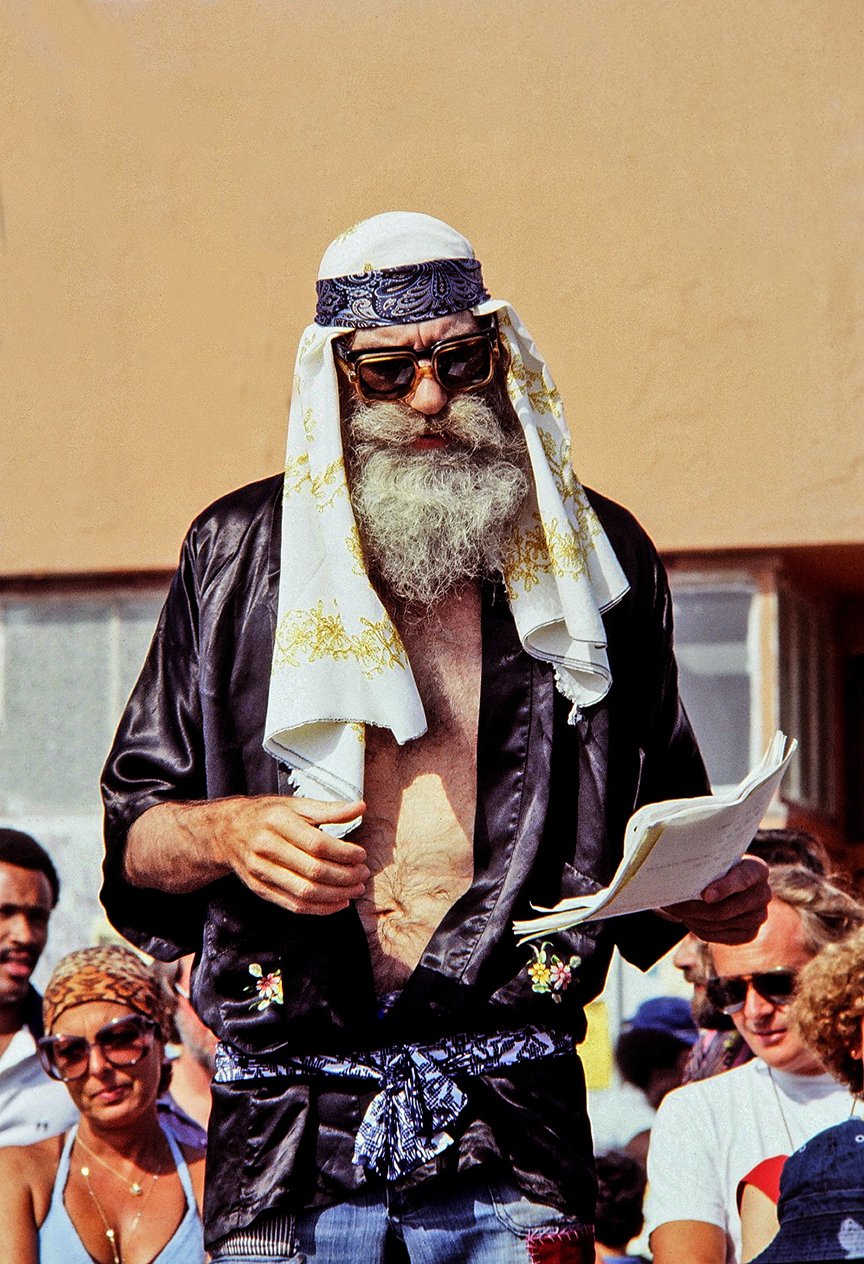
Swami X
Dispensing his daily beach-side wisdom, Venice, California, 1978
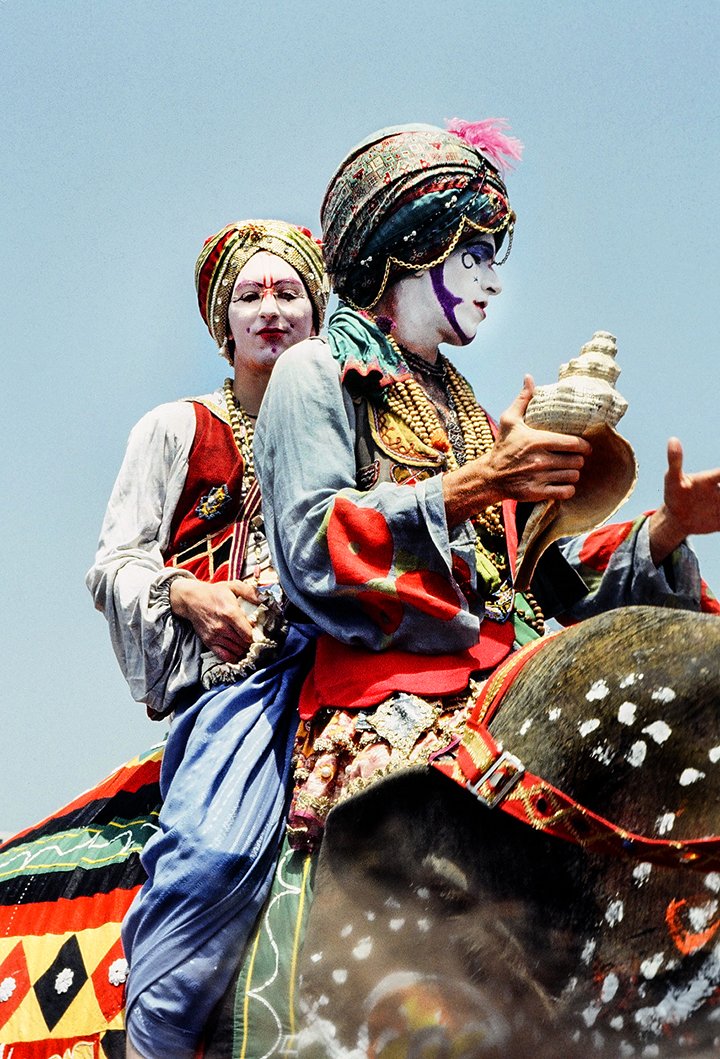
Riding the Elephant
Annual parade, Venice, California, 1978
By the summer of 1979, Tosti was back in Virginia with some financing and a finished script, and set about producing The Magic Pencil, a thirty-minute after-school children’s special.
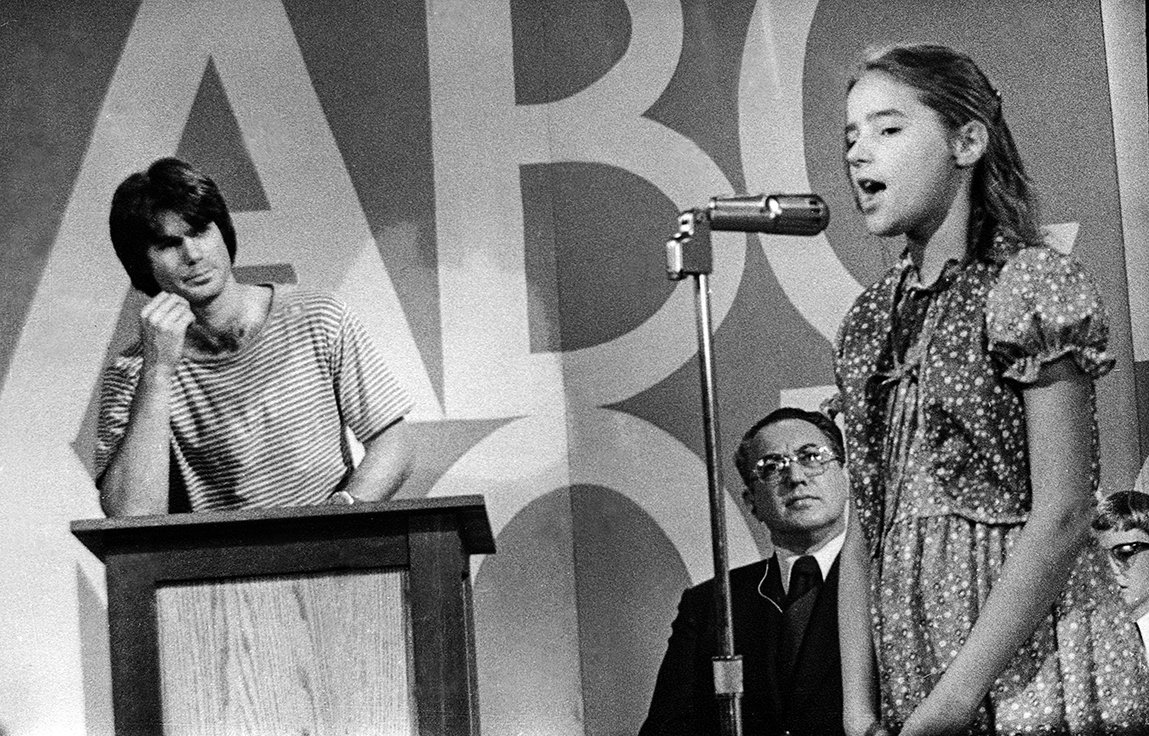
Rehearsal for The Magic Pencil
With Tosti at left, Falls Church, Virginia, 1979.
Tosti concluded the production phase of The Magic Pencil just one week before he entered law school at American University’s Washington College of Law, During his first year, he edited the movie, and premiered it at D.C.’s Biograph Theater. From the start of law school, Tosti concentrated on an art-law curriculum, taking all the relevant course offerings. When he ran out of courses to take, he turned to noted copyright professor Peter Jaszi and developed and took independent study courses in the art-law area, including a course on the law of motion picture production and one on the law of distribution of art and motion pictures. In his second year of law school, Tosti won first prize in the Nathan Burkam Memorial Competition, administered by ASCAP (The American Society of Composers, Authors, and Publishers) for an essay on the law of motion picture scripts. In 1982, Tosti graduated with a Juris Doctors (J.D.) degree, cum laude. He also won The Dean’s Award for Professional Responsibility; Outstanding Student in a Clinical Program. During his third year of law school, Tosti wrote a script for Design 2084 that would become a cultish, super-low budget sci-fi feature. After graduation in 1982, Tosti immediately went into production on Design 2084.
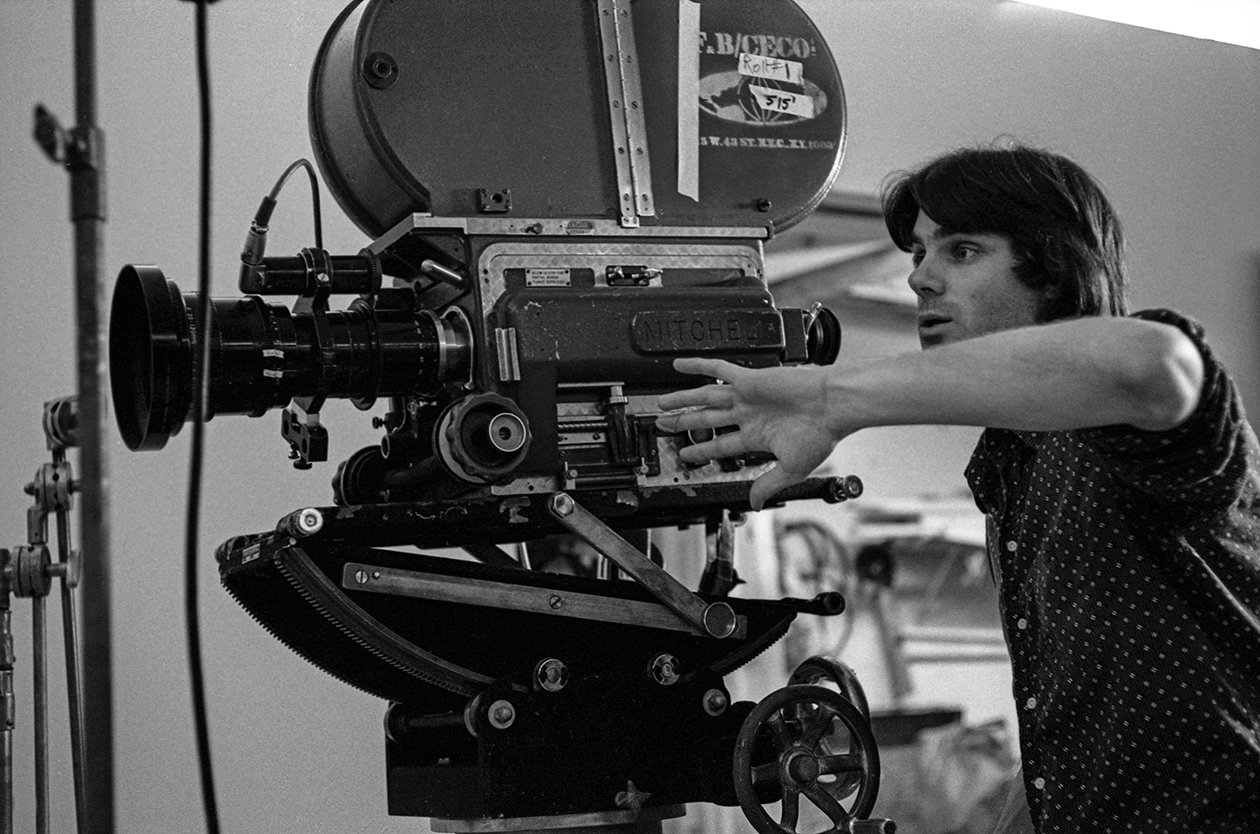
Tosti on the Set of Design 2084
Lorton, Virginia, 1984.
For about five years, beginning in 1985, Tosti served as a Professorial Lecturer of Law at the Washington College of Law of the American University, where he originated and taught the law school’s first Entertainment Law courses. Since the 1980’s, Tosti has been Contributing Author of various editions of two law dictionaries: Law Dictionary for Non-lawyers and Oran’s Dictionary of the Law. In 1993, Tosti joined the Fairfax, Virginia A-V rated law firm of Taylor, Newsome, and Tinkham. Tosti became an owner and officer (vice president and secretary) of what eventually became Taylor, Messick and Tosti. While at the firm, Tosti served as a director and officer of the nonprofit Fairfax Cable Access Corporation (FCAC), one of the nation’s largest. At FCAC Tosti worked to expand the training department’s offerings, himself teaching a variety of courses including: The Language of Pictures, Photographic Lighting, Video Law, and Advertising Psychology. At FCAC, Tosti also assisted in the production of historical documentaries (for which he was recognized with a Telly Award for his videography).
Throughout, Tosti has produced numerous and varied photographic works.
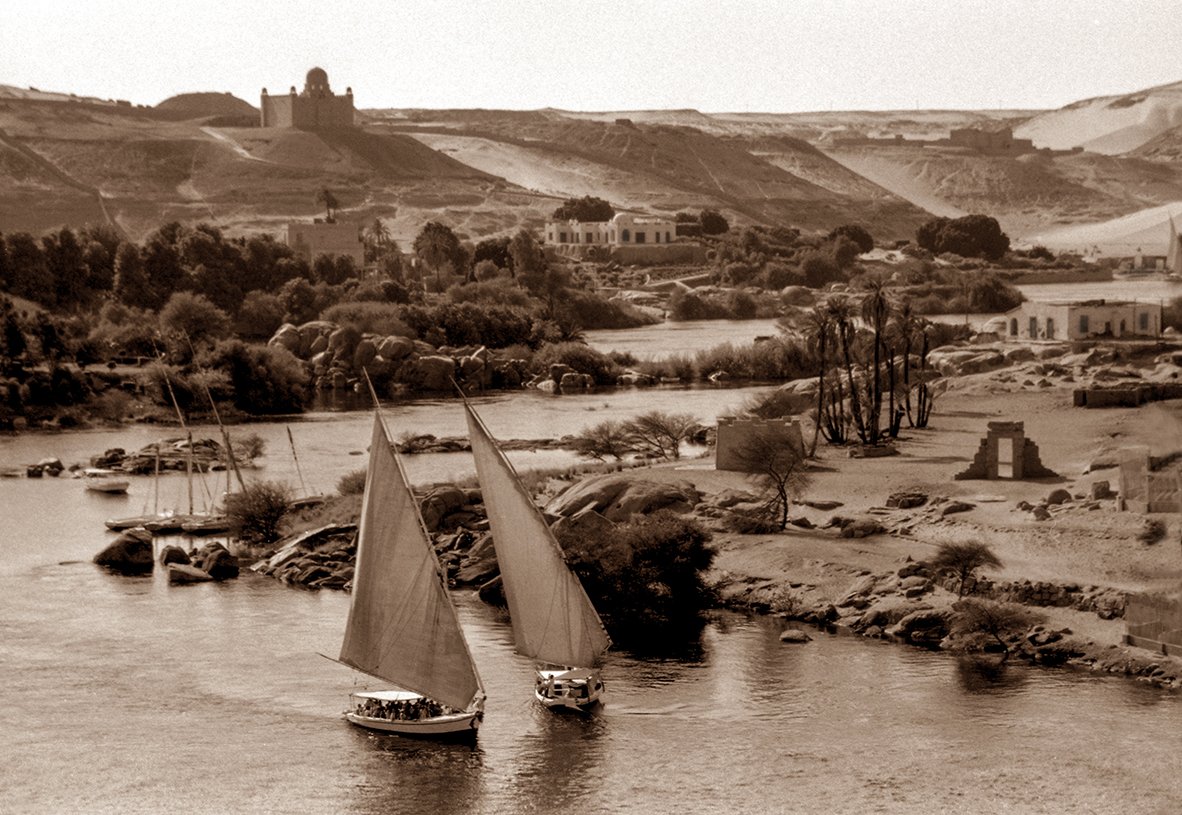
The Nile River at Aswan
Egypt, 1999 (#84-14)
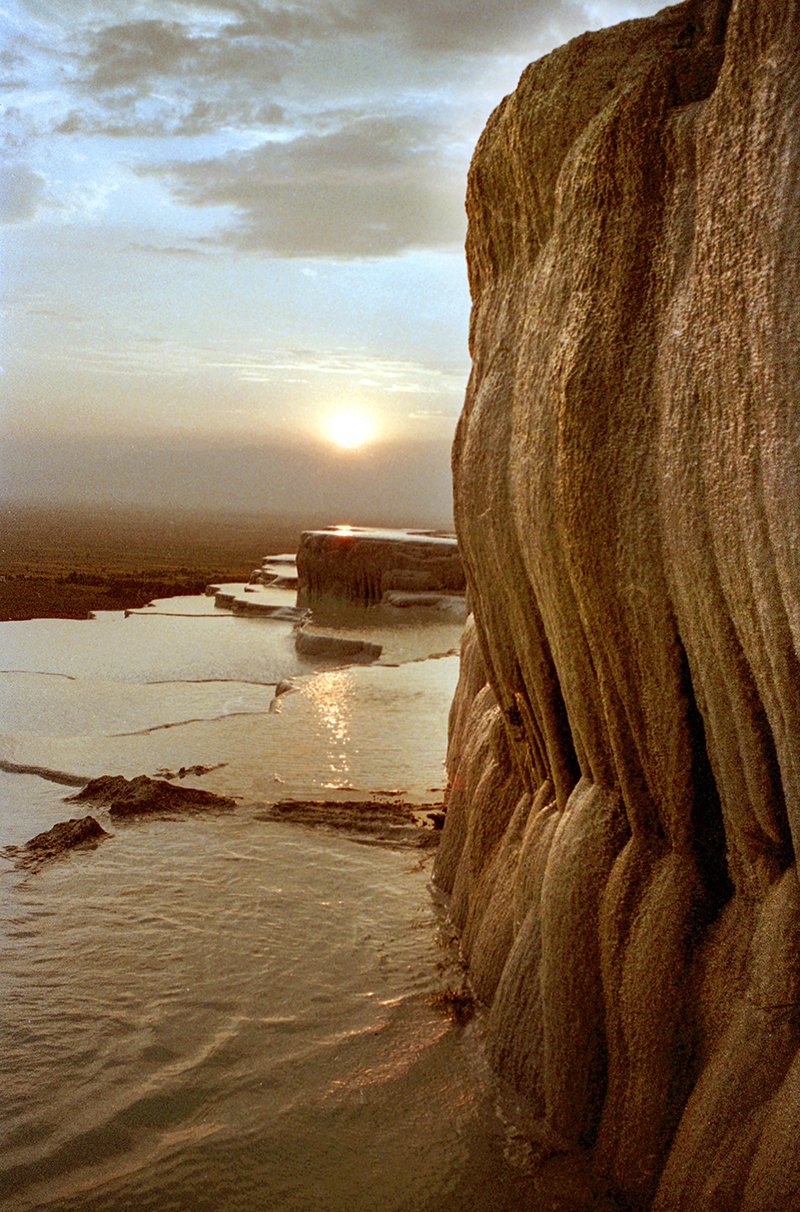
The Thermal Pools of Pamukkale
Denizli, Turkey, 1990 (#03-31)
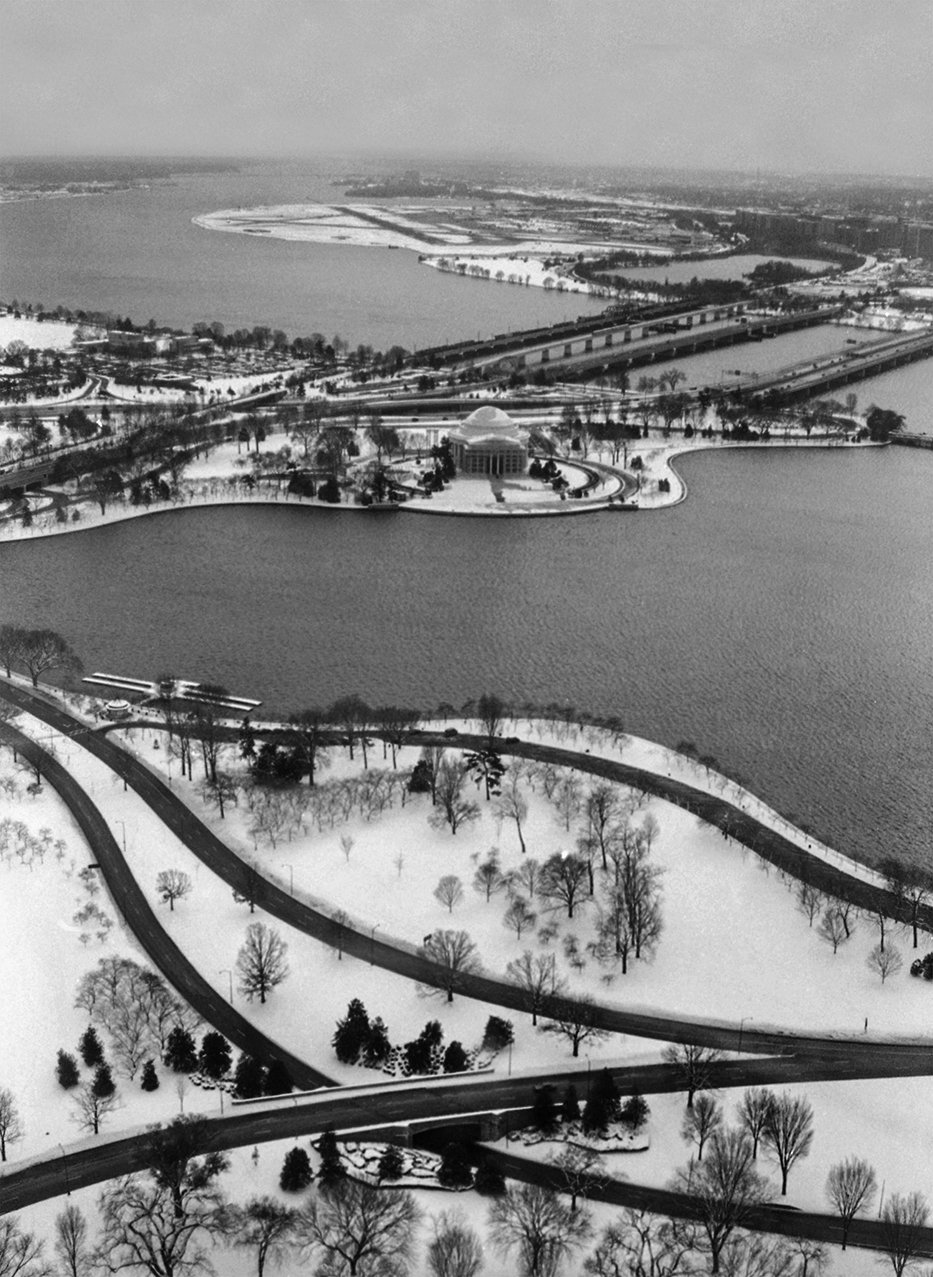
Washington Winterways
Winter scene from the Washington Monument, 1994 (#39-18)

Three Akha Women
On a path near Mei Sai, Thailand, 1988
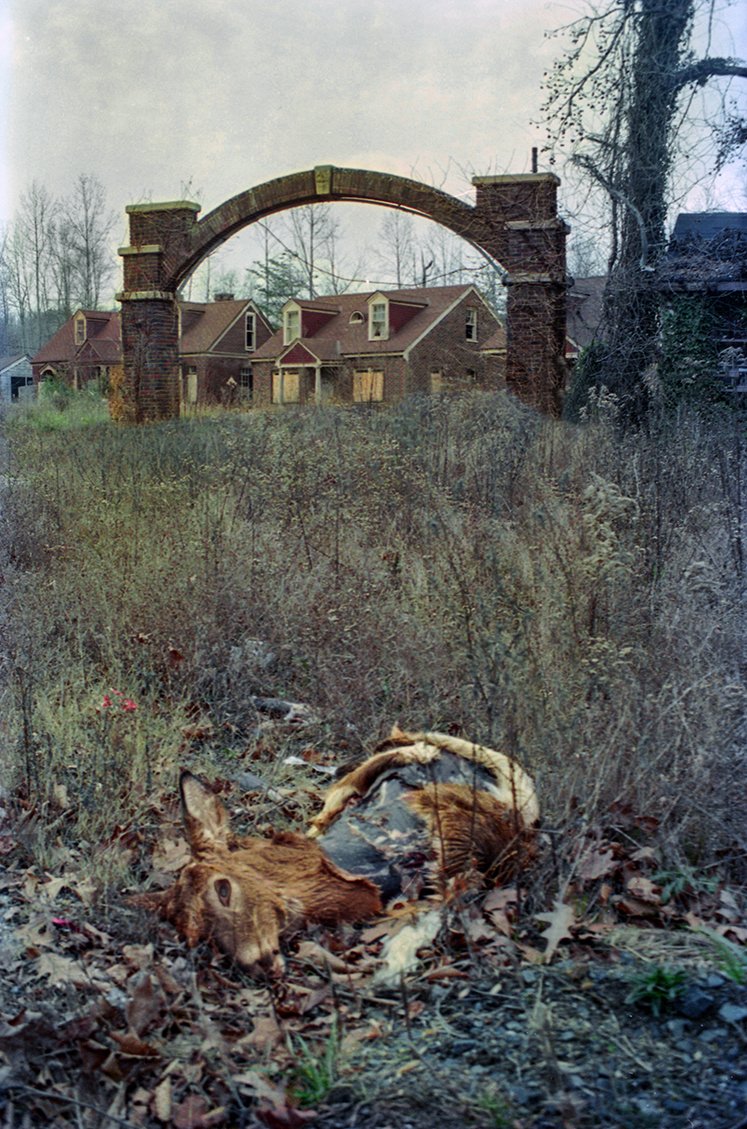
Decay
Deer carcass in front of a derelict motel near Fredericksburg, Virginia, 1994 (#38-22)
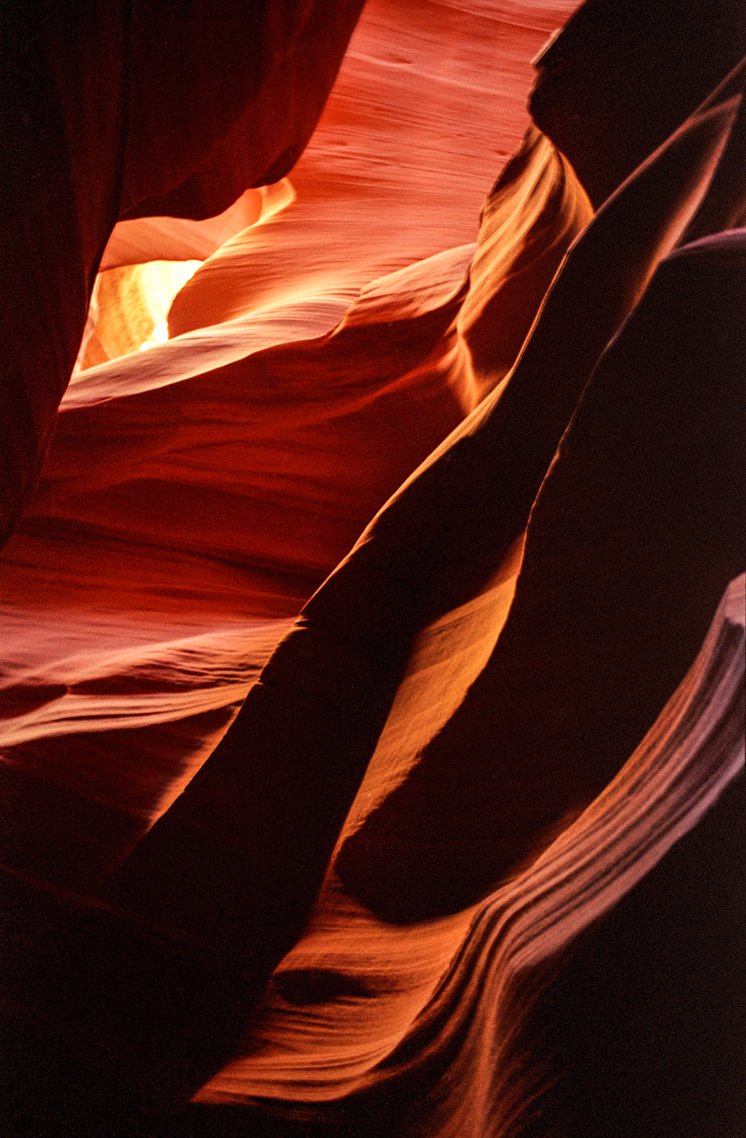
Abstract Flowstone
Antelope Canyon, Utah, 1999 (#90-14a)
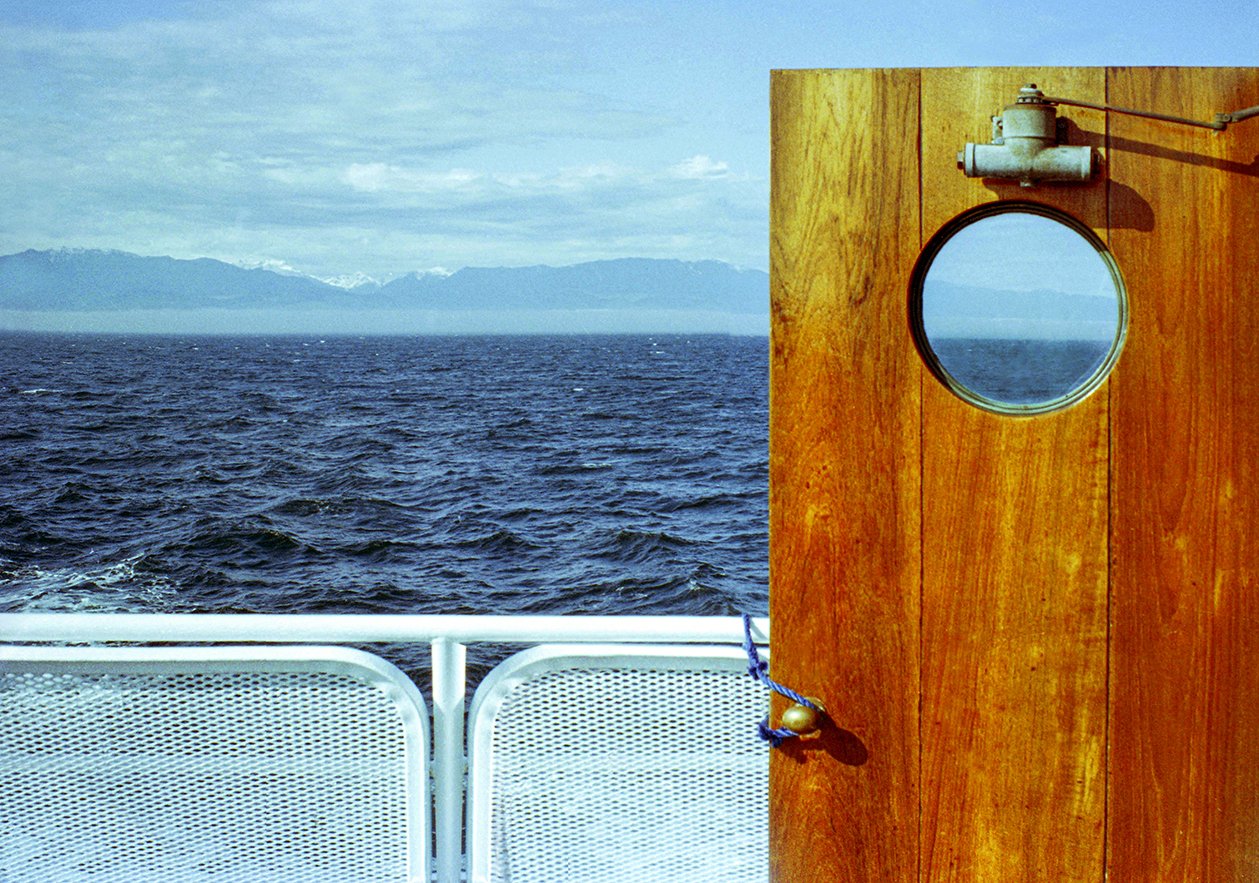
Porthole Door
On the Seattle ferry, 1997 (#58-36)
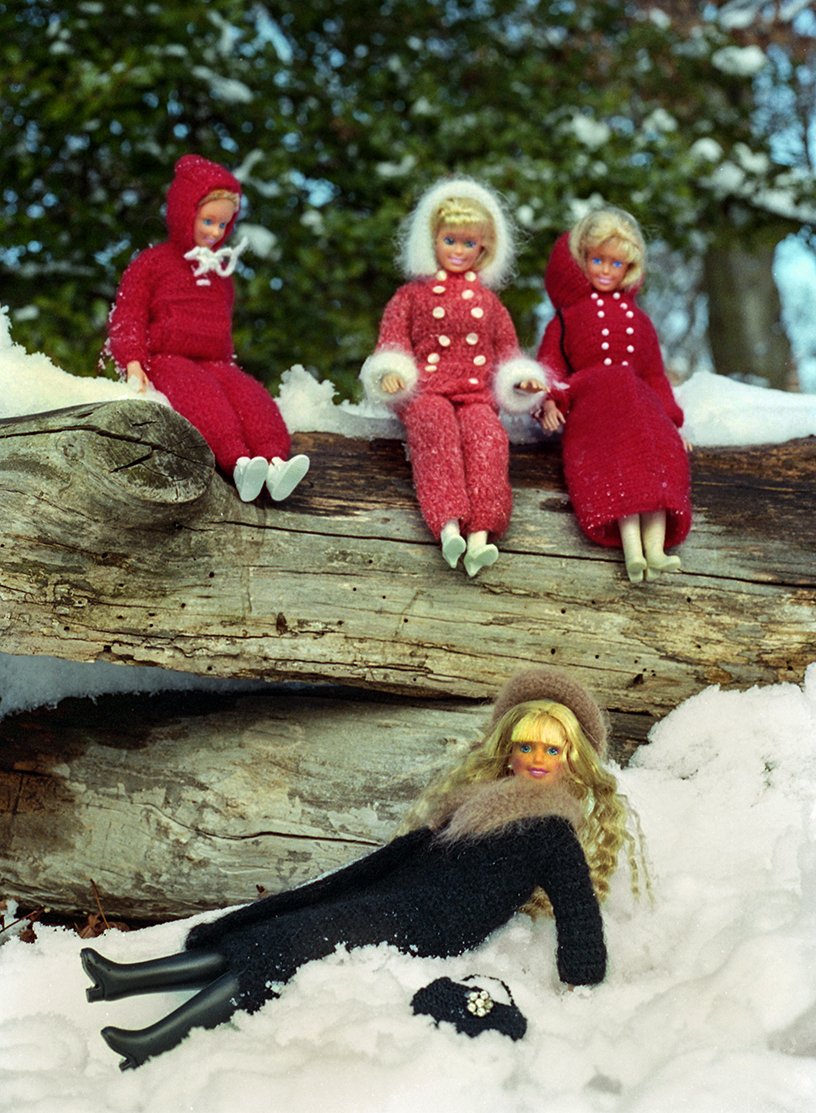
Snow birds
Four Maxi dolls with handmade costumes, Falls Church, Virginia, 1995 (#40-13)
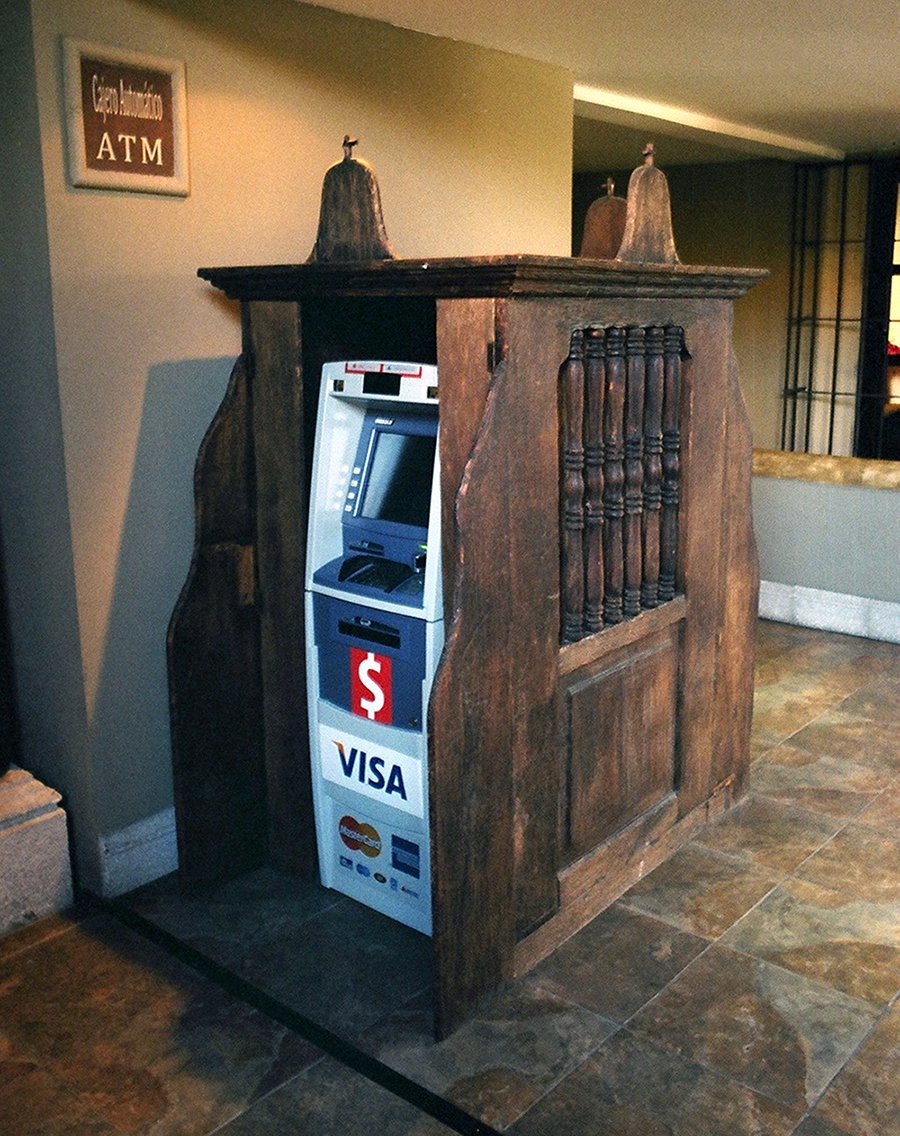
ATM Confessional
La Antigua, Guatemala, 2015 (#502-36a)
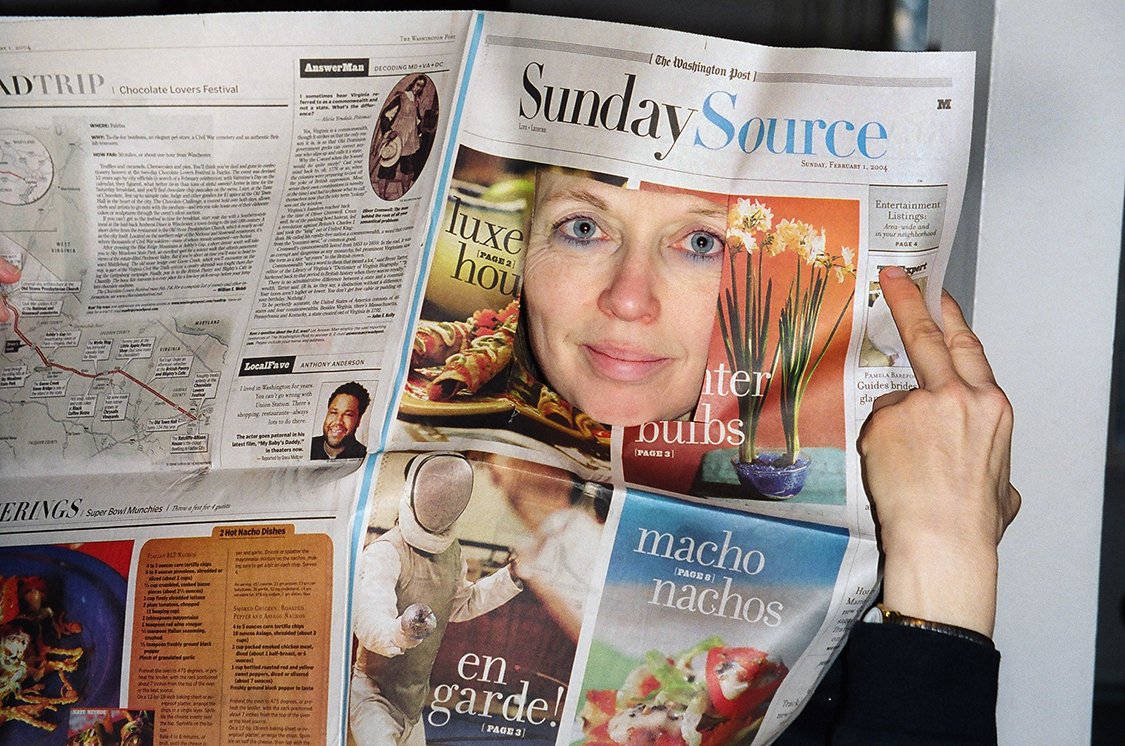
Seeing Through the News
Fairfax, Virginia, 2004 (#389-04)
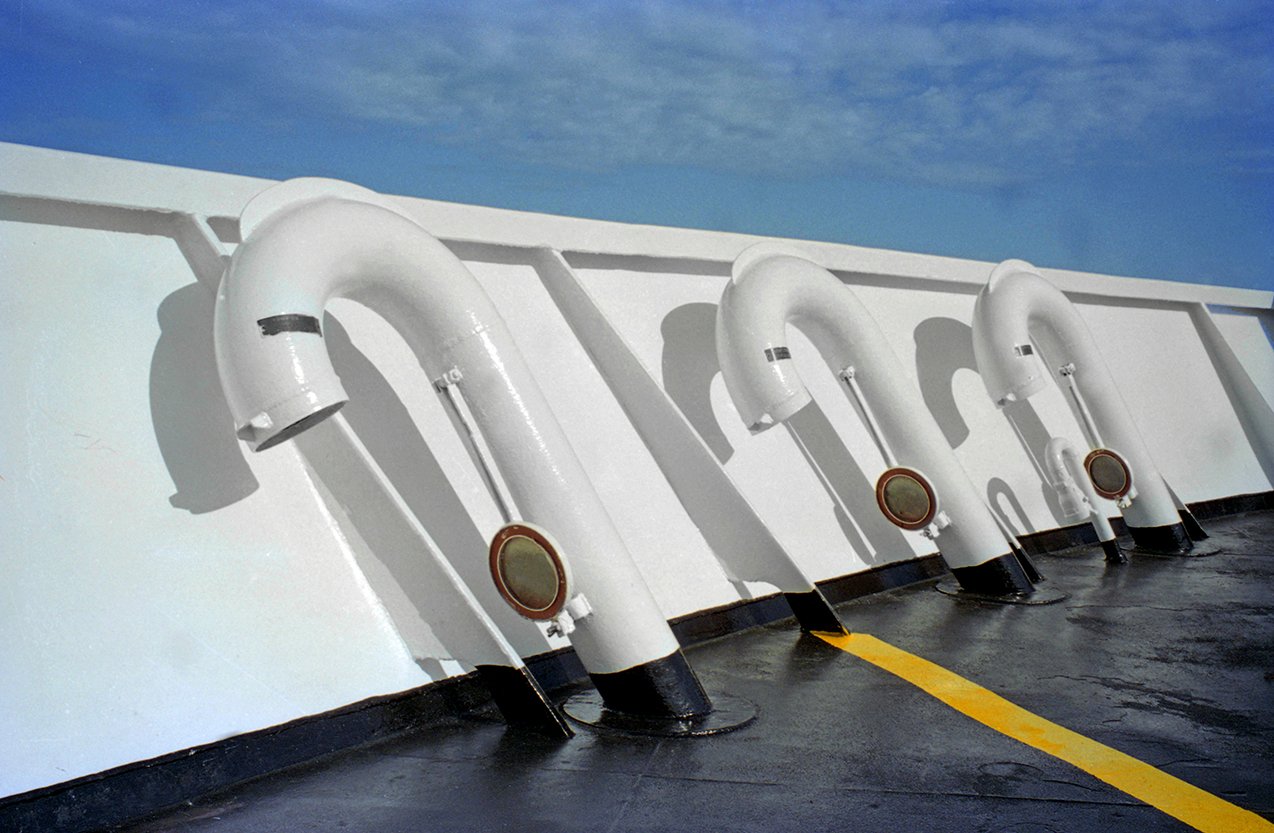
Canes and Angles
On the Seattle ferry, 1997 (#58-37)
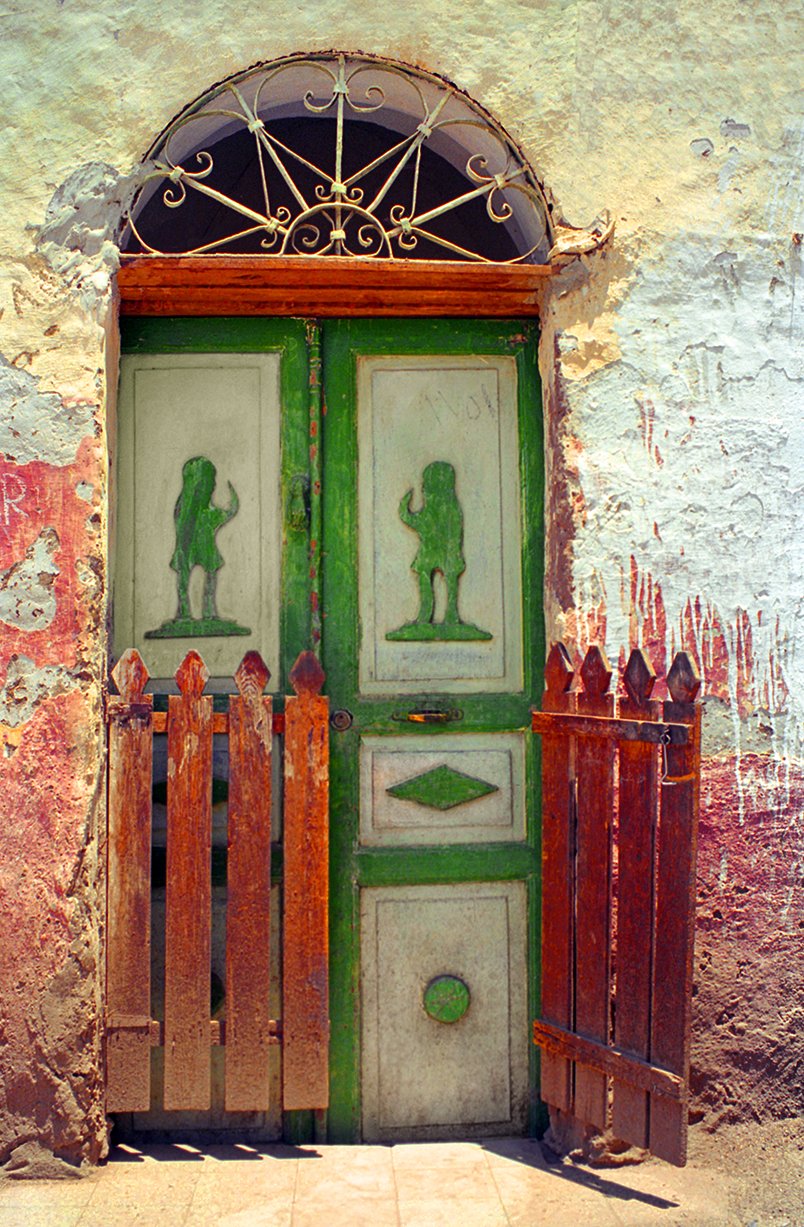
Nubian Door
Aswan, Egypt, 1999 (#85-08)